
GLP-1 Grocery List — What to Buy When Your Appetite Is Quieter
A practical GLP-1 grocery list built around protein, fiber, fluids and gentle foods for rough days, based on 2025 nutrition guidance for people on GLP-1 therapy.
Worth remembering
- Shop for smaller, more frequent meals rather than big cooked dinners.
- Make protein the easiest thing in your fridge to reach for.
- Add high-fiber foods gradually, and buy drinks alongside them.
- Keep a small "rough day" shelf of bland, no-cook options.
- Buy fewer, smaller portions at first — appetite on a GLP-1 can surprise you.
You're standing in the aisle with the same cart you've pushed for years, and half of what you'd usually buy suddenly makes no sense. The family-size pasta. The big pack of chicken thighs for a Sunday roast you won't finish. Your appetite has changed, so your shopping should too — not into a diet, just into a list that fits how you eat now.
What actually changes about shopping on a GLP-1?
Mostly portion and rhythm. The 2025 joint advisory from four US obesity and nutrition societies recommends regular, small meals at consistent times, and suggests small meals every three to four hours when nausea is an issue. It also cautions against large meals.
That points to a different kind of cart: more single-portion protein, more things you can eat cold, and fewer ingredients that only make sense as a big cooked dinner. It's also worth buying less than you think at first. Many people find they throw out more food in the early weeks than they expected.
Which protein foods are easiest to keep on hand?
Protein is the nutrient the advisory flags most, because low intake during weight loss is linked with losing lean mass. The trick is making it effortless. Foods the advisory lists include poultry, fish, eggs, yogurt, milk, cheese, nuts and seeds, plus practical options such as cottage cheese, Greek yogurt, protein drinks and nut or seed butters.
The 2025–2030 Dietary Guidelines for Americans make the same point in general terms: prioritize protein at every meal.
| Protein, ready to eat | Protein, a little cooking |
|---|---|
| Greek yogurt or skyr | Eggs (boil a batch ahead) |
| Cottage cheese | Salmon or white fish fillets |
| Canned tuna, salmon or sardines | Chicken breast or thighs, small packs |
| Rotisserie chicken | Tofu or tempeh |
| Cheese portions, milk | Lentils, chickpeas, beans |
| Shelf-stable protein drinks | Frozen edamame |
How should I shop for fiber?
Gently. Fiber helps with constipation, which is a common GLP-1 side effect, but the advisory recommends a gradual increase, and paired with fluids. It also suggests going easy on very fatty or high-fiber foods in the first few days of treatment.
So buy fiber you can add a little at a time:
- Fruit: berries, apples, citrus, bananas, grapes, avocado (all named in the advisory), plus prunes, which it mentions for constipation
- Vegetables: broccoli, leafy greens, tomatoes, carrots — frozen bags count and don't spoil
- Whole grains: oats, quinoa, brown rice
- Legumes: canned lentils and beans, which double as protein
What should go in the drinks part of the cart?
More than you'd think. The advisory lists adequate fluids as a priority, and the Wegovy Medication Guide notes that nausea, vomiting and diarrhea can lead to dehydration. The Dietary Guidelines suggest water or unsweetened drinks with meals and snacks.
Practical buys: a water bottle you actually like, sparkling water, herbal tea, low-sodium broth (warm, savory and easy on a queasy day) and milk if it suits you.
What belongs on a "rough day" shelf?
The day or two after a shot or a dose step can be harder for some people. It helps to have food in the house that needs no decisions:
- Plain crackers or toast
- Broth-based soups
- Plain yogurt, cottage cheese
- Bananas, applesauce
- Rice and plain cooked chicken in the freezer
- Ginger or peppermint tea
These aren't medical treatments, just gentle options. If you can't keep food or fluids down, that's a reason to call your prescriber, not to wait it out.
What can I buy less of?
The advisory suggests limiting refined carbohydrates, sugar-sweetened drinks, red and processed meats, most fast food, and sweets and savory snacks. The Dietary Guidelines go further and recommend avoiding highly processed food.
It also notes that high-fat meals can make diarrhea worse, and that fatty foods slow digestion. Fried takeout may simply sit badly now, which is useful information rather than a rule.
What we'd track
A grocery list tells you what you bought. A food log tells you what you actually ate — and that's the part that matters for your care team.
- Protein per meal. Shows whether the yogurt and eggs you bought are making it onto your plate.
- Fiber across the day. A low run of days often lines up with constipation.
- Water. Easy to forget when you're not thirsty or hungry.
- How each food sat. Over a few weeks, you'll see which foods earn a place on next week's list and which ones to skip.
Holt doesn't build your shopping list, but it closes the loop. Snap a photo of a meal or scan a packaged food, and Holt estimates calories, protein, fiber, carbs and fat. Save the meals that work as favorites or "my meals", and your log becomes the best guide to what to buy next.
Scan your next meal in HoltIf you'd like a starting number for protein or fiber, our free protein calculator and fiber calculator give general ranges to discuss with your clinician or dietitian.
See it in Holt
Real screens from the app — the same places you’ll log, review and share.
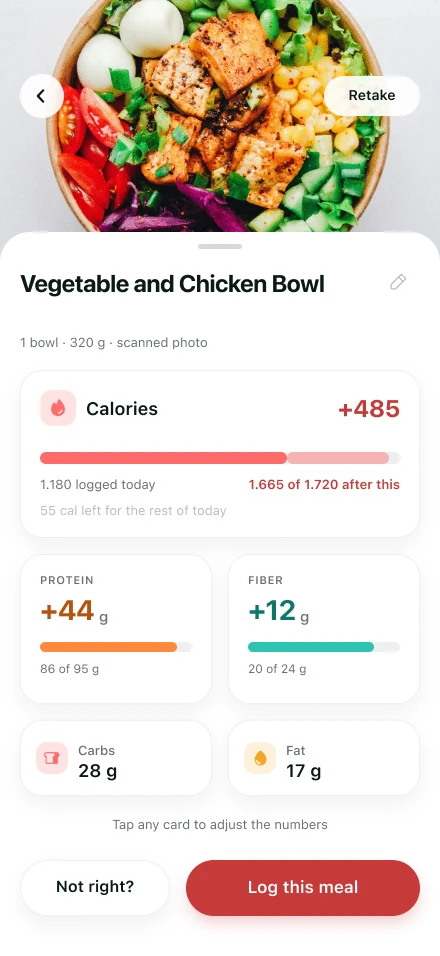
Snap a meal, get the protein 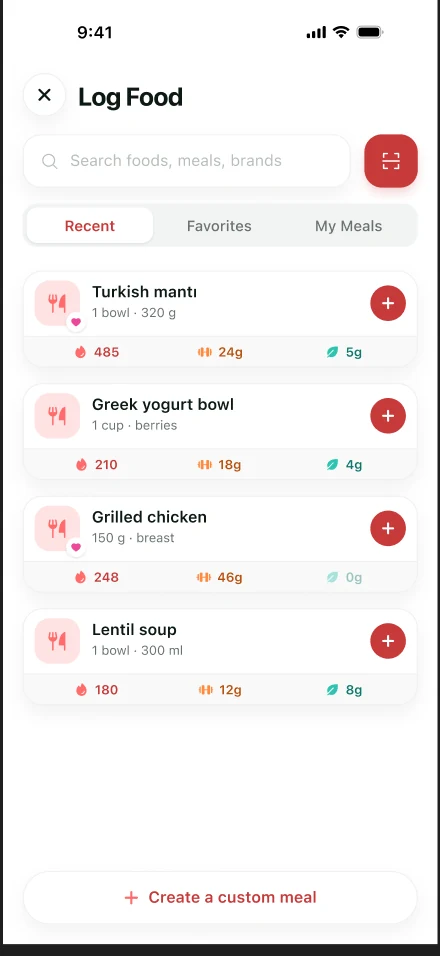
Your food log 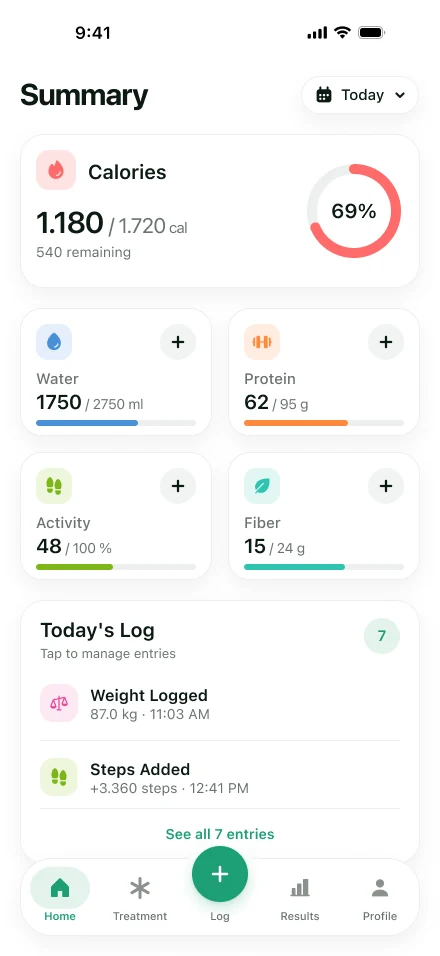
Your day at a glance
Frequently asked questions
Is there a special GLP-1 diet?
No single diet is required. The 2025 joint advisory recommends a nutrient-dense, minimally processed eating pattern with adequate protein, fiber and fluids. A registered dietitian can help you fit that to your own tastes and health.
What foods should I avoid on a GLP-1?
The advisory suggests limiting refined carbohydrates, sugar-sweetened drinks, red and processed meats, most fast food, sweets and savory snacks. It also notes that large meals and high-fat foods can make stomach side effects worse for some people.
Are protein shakes worth buying?
They can help on days when solid food feels like too much, and the advisory lists protein drinks and smoothies among practical options. Treat them as a backup to meals, and check with your clinician if you have kidney disease.
Should I buy fiber supplements?
Food is the first choice in the advisory. It mentions fiber supplements mainly as a strategy for diarrhea. Ask your prescriber or pharmacist before adding one, especially if you're constipated.
Sources
- Nutritional priorities to support GLP-1 therapy for obesity: a joint Advisory from the American College of Lifestyle Medicine, the American Society for Nutrition, the Obesity Medicine Association, and The Obesity Society — Obesity (Silver Spring), 2025
- Dietary Guidelines for Americans, 2025–2030 — U.S. Department of Agriculture and U.S. Department of Health and Human Services
- WEGOVY (semaglutide) prescribing information and Medication Guide — DailyMed, U.S. National Library of Medicine
Keep reading
- GLP-1 Food TrackerA GLP-1 food tracker that logs meals from a photo, estimates calories and protein, and shows how what you ate lines up with shot days and side effects.
- Protein, Fiber & Water TrackerTrack the three nutrients most likely to slip on a GLP-1 — protein, fiber and water — against daily goals, with general reference ranges from primary sources.
- GLP-1 Side EffectsThe most common GLP-1 side effects for semaglutide and tirzepatide, when they tend to appear, which warning signs need a doctor, and how tracking helps.
- First-Month GuideWhat the first four weeks on Ozempic, Wegovy, Mounjaro or Zepbound tend to look like, week by week, and what to sort out before your first dose step.